In einem Zeitalter, in dem die Verkehrssicherheit oberste Priorität hat, revolutioniert die Integration fortschrittlicher Fahrzeugkamerasysteme die Art und Weise, wie Fahrer in immer komplexeren Fahrumgebungen navigieren. Ein solcher Durchbruch ist das 360-Grad-Surround-View-System, eine Technologie, die Fahrern eine umfassende Vogelperspektive auf die Umgebung ihres Fahrzeugs bietet. Einst ein Luxusmerkmal, wird diese Technologie nun zum Standard in einer Vielzahl von Fahrzeugtypen, von PKW bis hin zu Nutzfahrzeugflotten und Schwerlastfahrzeugen.
Was ist ein 360-Grad-Surround-View-System?
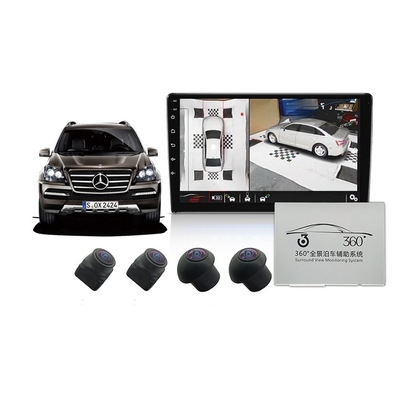
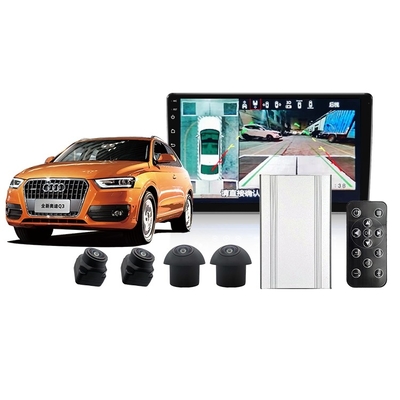
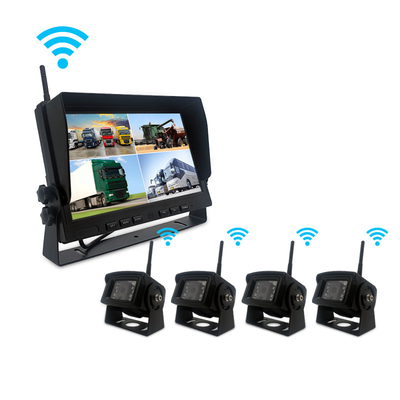
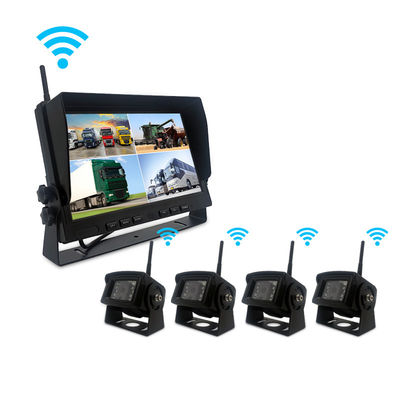
Ein 360-Grad-Surround-View-System nutzt mehrere strategisch um das Fahrzeug platzierte Kameras, um Echtzeitbilder aus allen Winkeln – vorne, hinten und seitlich – zu erfassen. Diese Bilder werden dann zusammengefügt, um eine umfassende Vogelperspektive auf die Umgebung des Fahrzeugs zu erstellen.
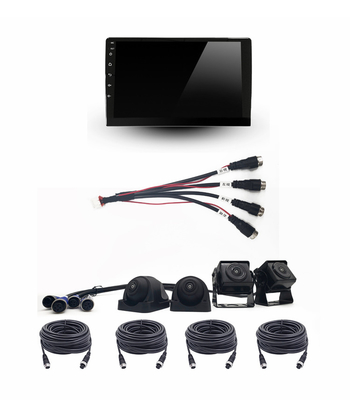
Das System umfasst typischerweise:
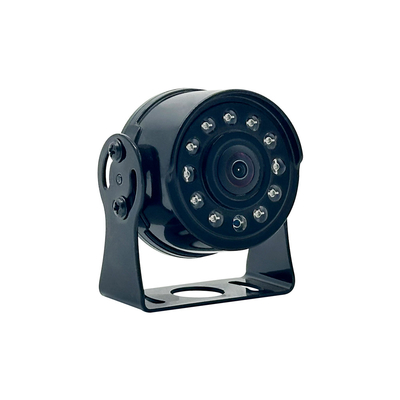
- Mehrere Kameras: Positioniert an der Vorderseite, Rückseite und den Seiten des Fahrzeugs.
- Bildverarbeitungseinheit: Zum Zusammenführen der Kamerabilder zu einer einzigen, kohärenten Ansicht.
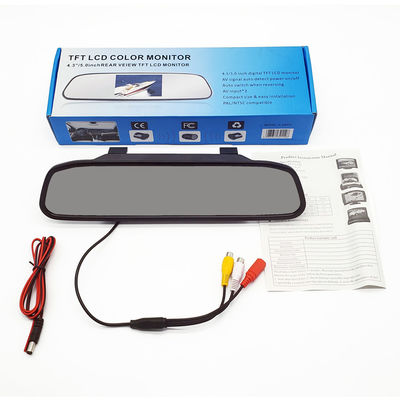
- Display-Monitor: Zur Anzeige der kombinierten 360-Grad-Ansicht für den Fahrer, entweder auf dem Armaturenbrett des Fahrzeugs oder über einen speziellen Bildschirm.
Diese Technologie bietet Fahrern eine beispiellose Sicht, eliminiert effektiv tote Winkel und reduziert die Unfallgefahr bei Manövern mit niedriger Geschwindigkeit wie Parken oder Rückwärtsfahren.
Hauptvorteile von 360-Grad-Surround-View-Systemen
1. Erhöhte Sicherheit und Bewusstsein
- Eliminierung von toten Winkeln: Einer der bedeutendsten Vorteile eines 360-Grad-Systems ist seine Fähigkeit, eine klare Sicht auf Bereiche zu bieten, die traditionell für den Fahrer verborgen sind, wie z. B. Ecken oder um Hindernisse herum.
- Reduzierte Kollisionen: Durch die Bereitstellung einer kontinuierlichen Panoramaansicht ermöglichen diese Systeme den Fahrern, potenzielle Gefahren frühzeitig zu erkennen, insbesondere in engen oder überfüllten Räumen, was die Wahrscheinlichkeit von Unfällen beim Parken oder Fahren mit niedriger Geschwindigkeit erheblich reduziert.
2. Einfache Manövrierbarkeit in engen Räumen
- Einparkhilfe: In städtischen Umgebungen, in denen Parkplätze oft begrenzt sind, bietet eine 360-Grad-Ansicht den Fahrern ein vollständiges Bild ihrer Umgebung, was eine bessere Positionierung und ein besseres Einparken ermöglicht, selbst auf den schwierigsten Stellplätzen.
- Enge Kurven und Abbiegungen: Fahrer sind beim Abbiegen nicht mehr auf Spiegel oder Vermutungen angewiesen. Das System stellt sicher, dass sie mit Zuversicht durch enge Fahrspuren, unübersichtliche Kreuzungen und enge Kurven navigieren können.
3. Erhöhte Sicherheit für Flottenbetreiber und Fahrer
- Für Flottenbetreiber, die große Nutzfahrzeuge oder Schwerlastwagen verwalten, bietet das 360-Grad-System zusätzliche Sicherheitsebenen und erleichtert die Überwachung mehrerer Fahrzeuge, sowohl auf der Straße als auch in engen Lade-/Entladezonen. Es hilft Fahrern von Lastwagen, Bussen und Lieferwagen, ihr räumliches Bewusstsein zu verbessern und das Unfallrisiko in belebten oder komplexen Umgebungen zu reduzieren.
Integration von 360-Grad-Systemen mit anderen Sicherheitstechnologien
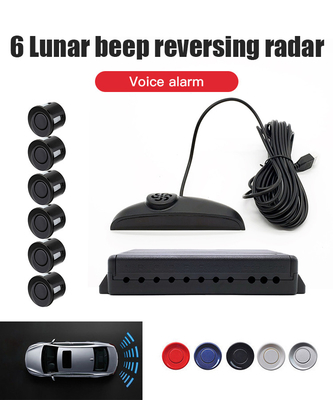
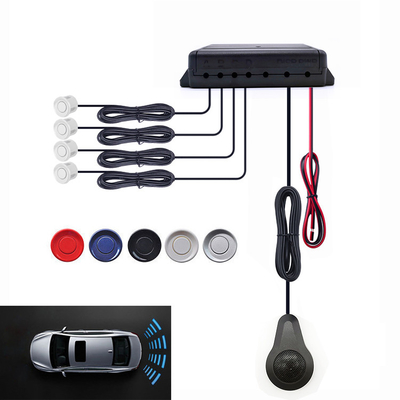
Ein 360-Grad-Surround-View-System wird noch leistungsfähiger, wenn es mit anderen Fahrerassistenztechnologien wie Parksensoren, Kollisionswarnungen und Totwinkelassistenten integriert wird. Diese Integration schafft ein umfassendes Sicherheitsnetz, das Folgendes ermöglicht:
- Automatisierte Gefahrenerkennung: Wie Fußgänger, andere Fahrzeuge oder niedrig liegende Hindernisse.
- Proaktive Sicherheitswarnungen: Warnungen, die den Fahrer benachrichtigen, wenn er sich einem Objekt zu nahe befindet oder in eine Hochrisikozone einfährt.
- Autonomes Parken: In einigen fortschrittlichen Systemen unterstützt die Technologie sogar teilautonome Parkfunktionen, bei denen das System Parkaufgaben mit minimalem Eingriff des Fahrers übernehmen kann.
Diese Fortschritte bringen das Fahrzeug näher an das Smart Car Zeitalter, in dem KI und Automatisierung die Fahrersicherheit und die betriebliche Effizienz verbessern.
Ein neuer Standard für Nutz- und Schwerlastfahrzeuge
360-Grad-Systeme sind besonders nützlich für Nutz- und Schwerlastfahrzeuge. Bei Lastwagen, Bussen und Baumaschinen ist die Sicht des Fahrers aufgrund der Größe und des Designs des Fahrzeugs erheblich eingeschränkt. Durch die Ergänzung um ein 360-Grad-System können diese Fahrzeuge die gleiche umfassende Sicht wie kleinere PKW erhalten, was den Fahrern die Navigation um Hindernisse, Fußgänger oder andere Fahrzeuge in belebten Umgebungen erleichtert.
- Flottenmanagement: Flottenbetreiber profitieren von reduzierten Unfallraten, verbesserten Sicherheitsbilanzen und gesteigerter betrieblicher Effizienz durch die Ausstattung ihrer Fahrzeuge mit 360-Grad-Systemen.
- Bauwesen und Landwirtschaft: Betreiber von schweren Maschinen, z. B. im Bauwesen oder in der Landwirtschaft, können diese Systeme nutzen, um tote Winkel beim Betrieb von Maschinen in schwierigem Gelände oder auf überfüllten Baustellen zu überwachen.
Zukunft von 360-Grad-Surround-View-Systemen
Die Zukunft der 360-Grad-Surround-View-Technologie ist äußerst vielversprechend, angetrieben durch Fortschritte in den Bereichen KI, maschinelles Lernen und drahtlose Konnektivität.
- KI-gestützte Vision: Zukünftige Systeme werden wahrscheinlich KI-basierte Objekterkennung integrieren, die Fahrzeugen hilft, Gefahren in Echtzeit zu identifizieren und zu vermeiden, wie z. B. Fußgänger, Fahrräder oder sogar Tiere, die die Fahrbahn kreuzen.
- Drahtlose Systeme: Drahtlose Kamerasoftwarelösungen ermöglichen eine einfachere Installation und Wartung von 360-Grad-Systemen und machen sie für verschiedene Fahrzeugtypen zugänglicher.
- Integration mit ADAS: Diese Systeme werden zunehmend in Advanced Driver Assistance Systems (ADAS) integriert, was den Weg für vollautonomes Fahren ebnet.
Fazit
360-Grad-Surround-View-Systeme verändern das Fahrerlebnis, indem sie die Sicht verbessern, die Sicherheit erhöhen und das Fahren in komplexen Umgebungen besser handhabbar machen. Da diese Technologien immer weiter verbreitet sind, werden ihre Vorteile auf alle Fahrzeugkategorien ausgeweitet – von Privatwagen bis hin zu Nutzfahrzeugflotten und Schwerlastwagen. Für Flottenbetreiber wird die Einführung dieser Technologie wahrscheinlich zu einem neuen Standard für die Gewährleistung der Sicherheit und Effizienz von Betrieben. Da sich diese Systeme weiterentwickeln, können wir eine noch stärkere Integration mit aufkommenden Technologien erwarten, die neu definieren werden, wie wir über Fahren und Fahrzeugsicherheit denken.


 Ihre Nachricht muss zwischen 20 und 3.000 Zeichen enthalten!