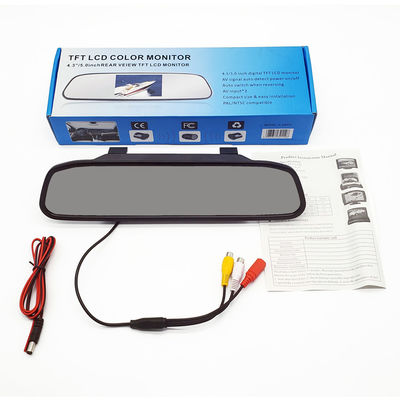
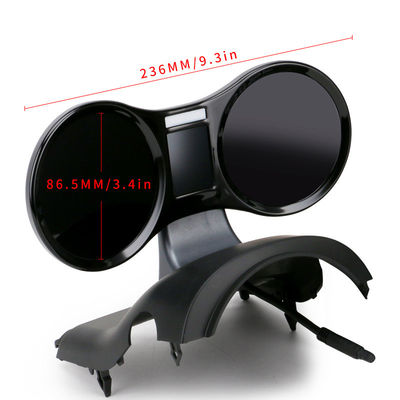
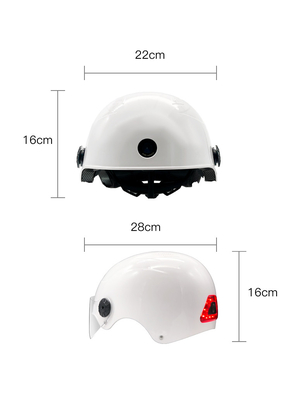
As the automotive industry continues to evolve, the role of advanced technology in enhancing vehicle safety has become increasingly evident. Among the most impactful innovations are high-resolution cameras and advanced sensor systems. These technologies not only provide drivers with better visibility but also contribute to a safer, smarter driving experience by actively assisting in accident prevention and offering real-time information about the vehicle's surroundings.
High-Resolution Cameras: The Eyes of Modern Vehicles
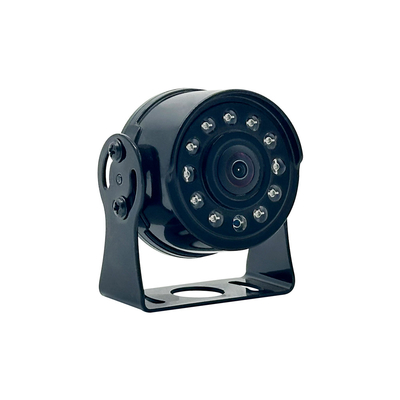
High-resolution cameras are revolutionizing the way we interact with our vehicles, offering more than just rearview or parking assistance. Today’s vehicle cameras provide crystal-clear images that enhance the driver's ability to make informed decisions and navigate through various driving conditions.
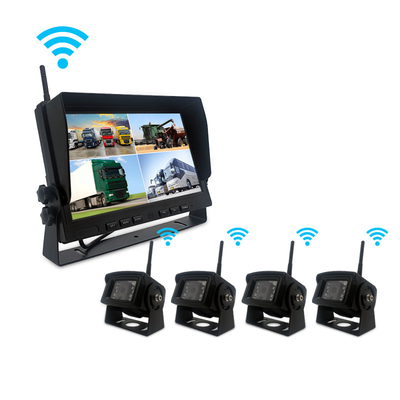
- Sharper Clarity, Safer Driving: With AHD (Analog High Definition) technology, modern vehicle cameras deliver high-definition images, which significantly improve visibility, especially in low-light conditions. This clarity helps drivers better detect pedestrians, vehicles, and obstacles, ensuring more accurate and timely reactions.
- Wide-Angle Lenses for Broader Coverage: Many of today’s vehicle cameras feature wide-angle lenses that expand the driver’s field of view. This feature is particularly useful when reversing or parking in tight spaces, as it helps eliminate blind spots and provides a clearer picture of the vehicle's surroundings.
- Weatherproof Performance: With IP68-rated waterproof cameras, vehicle safety systems are designed to withstand harsh weather conditions, from heavy rain to snowstorms, ensuring reliable operation no matter the environment.
Advanced Sensor Systems: The Eyes and Ears of Safety
In addition to high-resolution cameras, advanced sensor systems play a critical role in transforming vehicle safety. These sensors, including ultrasonic, radar, and lidar, provide real-time data to assist with navigation, collision avoidance, and environmental awareness.
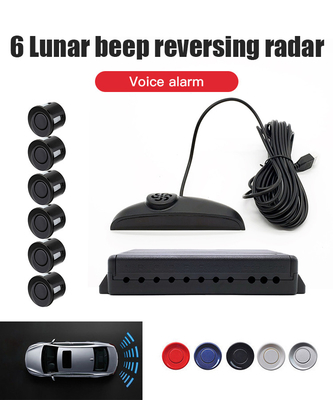
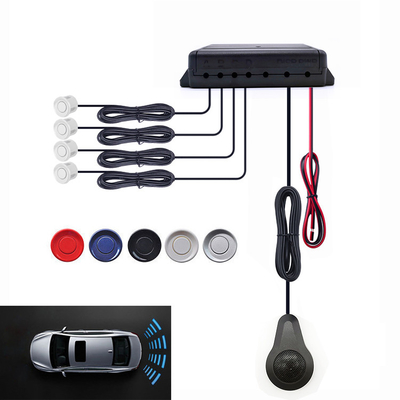
- Ultrasonic Parking Sensors: Ultrasonic sensors are commonly used in parking radar systems. These sensors emit sound waves that bounce off nearby objects and return to the sensor, allowing the system to calculate the distance to obstacles. The real-time data helps the driver avoid collisions when parking, with audible alerts indicating proximity to obstacles.
- Radar and Lidar Systems for Enhanced Detection: Radar and lidar sensors detect objects at longer distances, providing real-time updates on the vehicle’s surroundings. These sensors are instrumental in adaptive cruise control, blind-spot monitoring, and automatic emergency braking, ensuring that vehicles respond to potential hazards even before they are detected by the driver.
- AI Integration for Smarter Sensors: When combined with artificial intelligence, these sensors offer even more advanced capabilities. AI-powered sensors can assess traffic conditions, detect potential hazards, and even make automatic driving adjustments to enhance safety.
How These Technologies Work Together for Comprehensive Safety
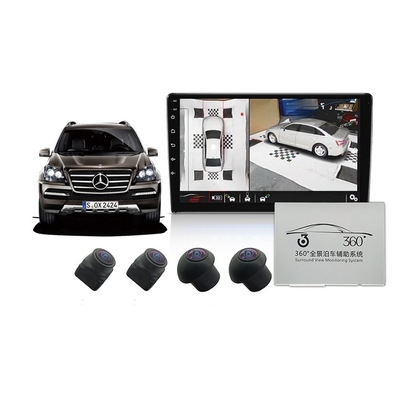
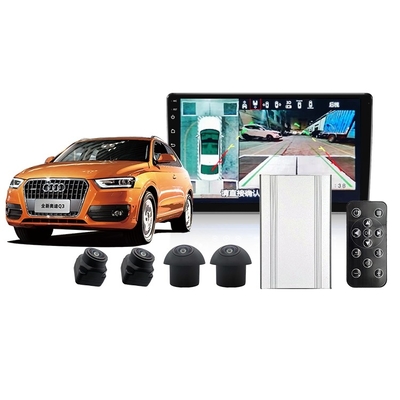
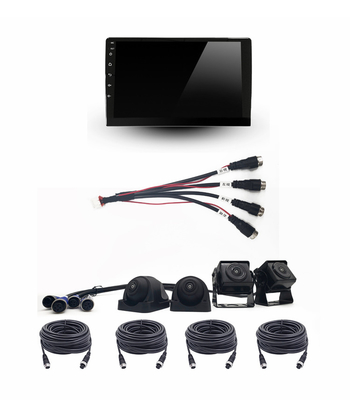
The true power of high-resolution cameras and advanced sensors lies in their integration. Together, these systems provide a 360-degree view of the vehicle's surroundings and work seamlessly to detect, alert, and respond to potential risks.
- 360° Surround View Systems: By combining footage from cameras placed around the vehicle, 360° surround view systems offer a bird’s-eye view, making it easier for drivers to park, change lanes, and navigate tight spots without the risk of blind spots. This system is especially valuable in urban environments where parking spaces are limited and complex driving maneuvers are often required.
- Collision Prevention and Automatic Braking: When high-resolution cameras detect a potential collision, they work with radar and lidar sensors to assess the situation. If the system determines that a collision is imminent, it can automatically apply the brakes, potentially avoiding the accident or reducing its severity.
- Intelligent Warning Systems: In addition to automatic interventions, these systems can also provide real-time alerts to the driver. From lane-departure warnings to blind-spot alerts and cross-traffic notifications, these systems keep the driver informed and aware of their surroundings, helping prevent accidents before they happen.
A New Era of Driving Safety: How These Technologies Are Shaping the Future
As these technologies continue to advance, they are becoming integral components of the future of driving. What was once considered a luxury feature is quickly becoming a standard for modern vehicles.
- Redefining Vehicle Safety: The integration of high-resolution cameras, sensors, and AI is fundamentally changing vehicle safety. With systems capable of actively preventing accidents, these technologies are not just enhancing driving comfort; they are actively saving lives.
- Supporting Autonomous Driving: High-resolution cameras and sensors are key to the development of autonomous vehicles. These technologies enable vehicles to "see" and understand their environment, making them capable of making decisions and taking actions without human intervention. As autonomous driving technology progresses, the combination of high-resolution cameras and sensors will become even more critical in ensuring the safety and reliability of self-driving cars.
- Meeting Regulatory Standards: With the increasing push for stricter safety regulations, vehicle manufacturers are incorporating these technologies to meet government requirements and industry standards. This is not just about enhancing safety; it's about ensuring that vehicles comply with evolving regulatory frameworks that demand higher standards of safety.
Conclusion: A Safer, Smarter Future for Driving
The integration of high-resolution cameras and advanced sensor systems into modern vehicles is transforming the way we drive. These technologies are not only making driving safer but also more convenient, efficient, and comfortable. As the automotive industry continues to embrace these innovations, we can expect even more advanced safety systems that work seamlessly together to enhance our driving experience.
As we move towards a future of smarter, safer vehicles, the role of high-resolution cameras and advanced sensors will continue to grow, leading to a world where driving risks are minimized and safety is maximized. The future of automotive technology is here, and it’s revolutionizing the way we think about driving.

 Ihre Nachricht muss zwischen 20 und 3.000 Zeichen enthalten!