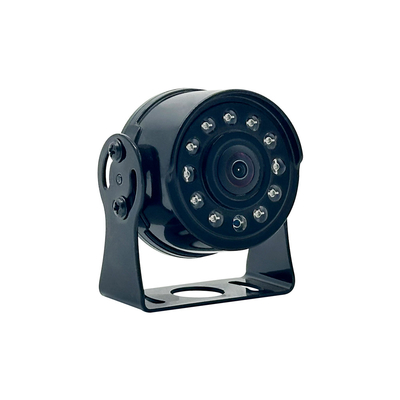
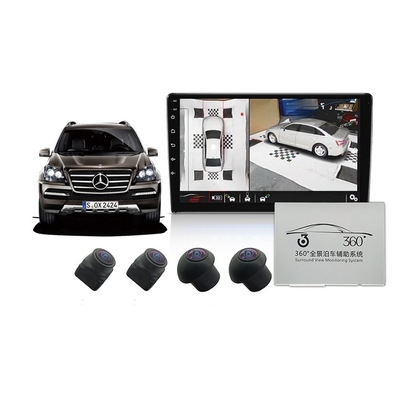
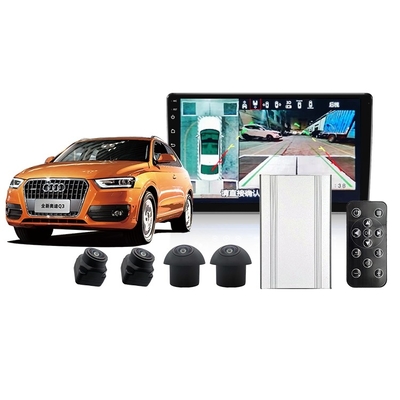
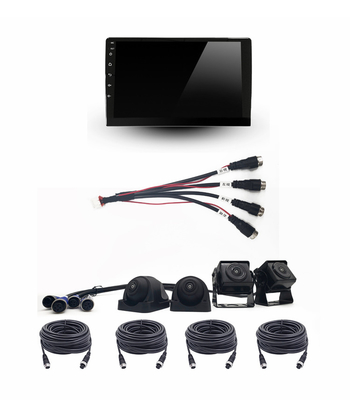
Harnessing the Sun: How Solar-Powered Wireless 360° Car Cameras Improve Driving Safety
Modern driving environments are becoming increasingly complex. Urban streets are crowded with vehicles, pedestrians, cyclists, and electric scooters, while parking spaces grow ever more constrained. These challenges make vehicle visibility and safety a top priority for drivers, fleet operators, and vehicle manufacturers. Traditionally, rearview mirrors and single rear cameras have been the primary tools for monitoring surroundings, but they often leave critical blind spots unaddressed.
To overcome these limitations, the automotive industry is increasingly turning to 360° car camera systems. These systems provide a full, real-time bird’s-eye view around a vehicle, eliminating blind spots and enhancing situational awareness. A recent innovation takes this technology a step further: integrating solar power and wireless connectivity, enabling sustainable, flexible, and efficient monitoring.
Understanding Solar-Powered Wireless 360° Car Cameras
A solar-powered wireless 360° camera system combines three key elements:
- 360° Surround View Technology
Multiple cameras are strategically installed around the vehicle—front, rear, and sides. Advanced image stitching algorithms merge these feeds into a seamless bird’s-eye view displayed on the vehicle’s monitor, providing full awareness of the vehicle’s surroundings.
- Wireless Connectivity
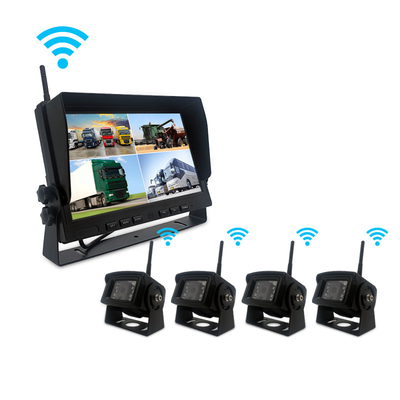
Unlike traditional wired systems, wireless cameras transmit video signals over WiFi or 4G networks, eliminating the need for complex wiring and reducing installation time. This flexibility is particularly advantageous for fleet vehicles, temporary installations, or vehicles with irregular layouts.
- Solar Power Integration
Solar panels provide energy to the camera system, ensuring continuous operation even when the vehicle is parked. Coupled with battery storage, solar-powered cameras can function independently for long periods, reducing reliance on the vehicle’s main electrical system.
Together, these technologies create a self-sufficient, intelligent, and highly reliable vehicle monitoring system.
Key Features and Technical Advantages
1. Full Vehicle Awareness
The core purpose of a 360° system is to eliminate blind spots. Drivers can now monitor areas previously hidden by vehicle design or environmental obstacles. This includes:
- Pedestrians and cyclists near the vehicle
- Low-lying obstacles such as curbs or debris
- Lateral traffic during lane changes
By providing complete situational awareness, 360° cameras help drivers anticipate hazards rather than reacting too late.
2. Parking and Low-Speed Assistance
Accidents during parking or low-speed maneuvering are common. 360° camera systems enhance safety by:
- Displaying dynamic trajectory lines based on steering input
- Allowing precise judgment of distances to obstacles
- Enabling safe parallel parking and navigating tight spaces
The solar-powered aspect ensures the system can monitor the vehicle continuously, even in outdoor parking lots or construction sites.
3. Long-Term Operation with Renewable Energy
Solar panels capture sunlight during the day and charge onboard batteries, enabling the system to operate for extended periods without draining the vehicle’s primary battery. This feature is particularly useful for:
- Fleet vehicles that park outdoors
- Temporary installations on construction, agricultural, or industrial vehicles
- Remote or off-grid locations where conventional power sources are unavailable
4. Night Vision and Weather Resistance
High-quality 360° systems include infrared or low-light sensors, providing clear visibility at night or in low-light conditions. IP67 or IP68-rated enclosures ensure the cameras remain functional in rain, dust, or extreme temperatures.
5. Wireless Connectivity and Real-Time Monitoring
Wireless transmission allows:
- Real-time remote monitoring for fleet management
- Video streaming to mobile apps or cloud platforms
- Data-driven safety analytics and preventive insights
- Over-the-air software updates to enhance features without physical access
Applications Across Vehicle Types
Passenger Cars
For everyday drivers, solar-powered wireless 360° cameras enhance urban safety, reduce parking accidents, and provide peace of mind by monitoring surroundings continuously, even when parked outdoors.
Commercial Fleets
Trucks, buses, vans, and delivery vehicles benefit greatly:
- Full perimeter awareness reduces blind spot-related accidents
- Continuous monitoring while parked reduces theft or damage
- Wireless and solar capabilities minimize downtime and installation complexity
Specialty Vehicles
Construction machinery, agricultural equipment, and industrial vehicles operate in complex environments where visibility is critical. Solar-powered wireless systems enable:
- Safe navigation in restricted areas
- Long-term operation without relying on limited power sources
- Reduced operational risks and improved efficiency
Integration with Intelligent Systems
Modern solar-powered 360° systems are increasingly integrated with AI and ADAS (Advanced Driver Assistance Systems):
- AI-Powered Detection: Identify pedestrians, vehicles, and obstacles automatically
- Predictive Alerts: Warn drivers of potential collisions
- ADAS Compatibility: Enhance lane departure warnings, parking assist, and collision prevention systems
This integration transforms the 360° camera from a passive tool into an active safety assistant.
Industry Trends and Future Outlook
Several key trends are driving adoption:
- Sustainable Energy Solutions: Solar-powered technology aligns with the push for green and energy-efficient solutions
- Wireless Flexibility: Easier installation and integration with existing fleet management systems
- Multi-Camera Standardization: Increasing use of 4CH, 6CH, or 8CH setups for comprehensive coverage
- AI and Automation Integration: Enhanced obstacle recognition and driver assistance
- Remote Monitoring and Analytics: Data-driven fleet safety improvements and proactive maintenance
As these trends continue, solar-powered wireless 360° cameras are expected to become standard safety features across passenger and commercial vehicles.
Industry Trends and Future Outlook
Several key trends are driving adoption:
- Sustainable Energy Solutions: Solar-powered technology aligns with the push for green and energy-efficient solutions
- Wireless Flexibility: Easier installation and integration with existing fleet management systems
- Multi-Camera Standardization: Increasing use of 4CH, 6CH, or 8CH setups for comprehensive coverage
- AI and Automation Integration: Enhanced obstacle recognition and driver assistance
- Remote Monitoring and Analytics: Data-driven fleet safety improvements and proactive maintenance
As these trends continue, solar-powered wireless 360° cameras are expected to become standard safety features across passenger and commercial vehicles.
Why Solar-Powered Wireless 360° Cameras Matter
The growing importance of this technology is due to multiple factors:
- Safety: Eliminates blind spots and enhances situational awareness
- Sustainability: Reduces reliance on vehicle power and uses renewable energy
- Efficiency: Simplifies installation, reduces downtime, and allows continuous monitoring
- Cost Savings: Lowers repair and insurance costs by preventing collisions
- Future-Proofing: Supports integration with AI, ADAS, and autonomous vehicle technologies
Conclusion: Safe, Smart, and Sustainable Driving
Solar-powered wireless 360° car cameras combine full-vehicle visibility, energy sustainability, and intelligent monitoring. They eliminate blind spots, enhance driver confidence, and provide continuous safety monitoring, even in outdoor and remote environments.


 Ihre Nachricht muss zwischen 20 und 3.000 Zeichen enthalten!