From Blind Spots to Complete Awareness: Why 360° Camera Systems Matter
In today’s fast-evolving automotive landscape, safety and awareness have become paramount. As urban environments grow more congested and vehicle fleets expand, drivers face increasing challenges in navigating complex traffic scenarios. Blind spots—those areas around a vehicle that cannot be seen through traditional mirrors—remain a significant cause of accidents, minor collisions, and even serious injuries. Addressing these blind spots is no longer optional; it has become a critical requirement for both passenger vehicles and commercial fleets.
Enter 360° camera systems, also known as surround view systems. These advanced technologies are transforming the way drivers perceive their environment, providing a full, real-time view around the vehicle and significantly enhancing safety, efficiency, and confidence on the road.
Understanding 360° Camera Systems
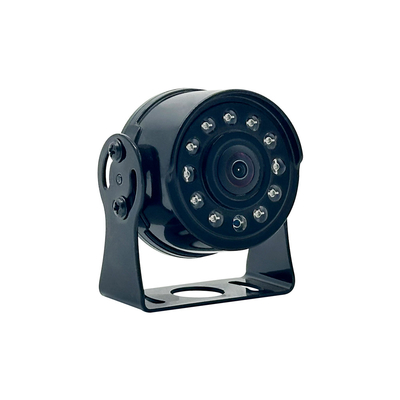
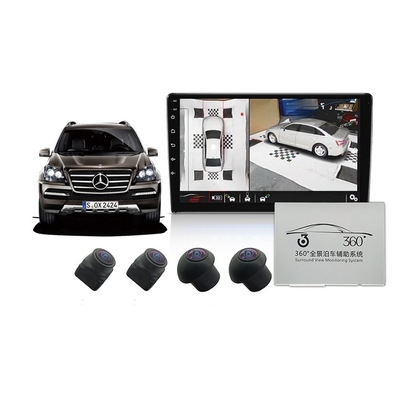
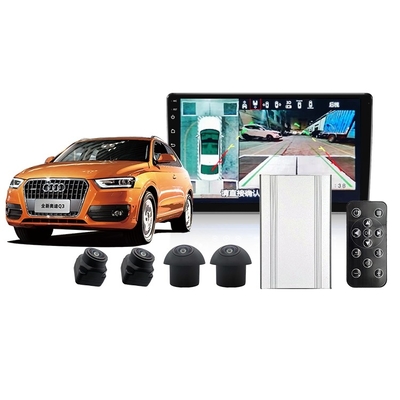
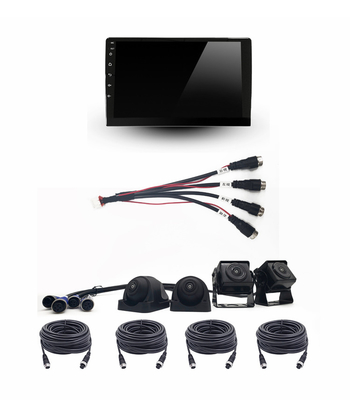
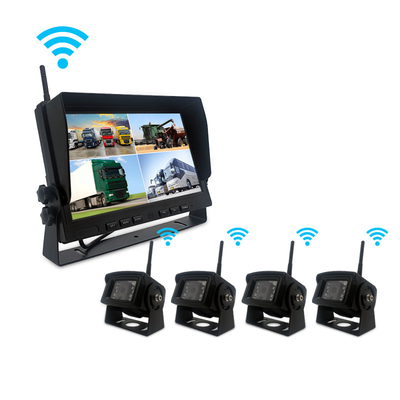
A 360° camera system is designed to give drivers a comprehensive view of the vehicle’s surroundings. Unlike traditional single-camera setups that only provide rear or front visibility, these systems rely on multiple cameras strategically installed around the vehicle:
- Front Camera: Mounted near the grille to capture forward-facing obstacles.
- Rear Camera: Typically integrated near the tailgate or bumper to assist with reversing.
- Side Cameras: Placed under the side mirrors to monitor lateral movement and blind spots.
The images captured by these cameras are processed by a central control unit, where advanced image stitching algorithms create a seamless, bird’s-eye view. This bird’s-eye perspective enables drivers to see objects, pedestrians, vehicles, and road boundaries from an overhead vantage point, transforming the way they interact with their environment.
Eliminating Blind Spots and Improving Safety
1. Comprehensive Awareness
The primary advantage of 360° camera systems is their ability to eliminate blind spots, a critical factor in reducing accidents. Drivers gain visibility of areas that would otherwise be hidden, including:
- Pedestrians and cyclists near the vehicle
- Low-lying obstacles, curbs, or small objects
- Vehicles approaching from lateral angles during lane changes
By providing a complete visual overview, these systems empower drivers to make informed decisions, particularly in high-density traffic or tight urban streets.
2. Parking Assistance and Low-Speed Maneuvering
Parking is one of the most common scenarios where minor collisions occur. With a 360° system:
- Drivers can judge distances accurately
- Align vehicles precisely within parking spaces
- Avoid contact with nearby obstacles
Dynamic trajectory lines, often overlaid on the bird’s-eye view, predict the vehicle’s path based on steering input, reducing guesswork and minimizing accidents during parking.
3. Commercial Fleet Safety
For trucks, buses, vans, and other commercial vehicles, blind spots are even more pronounced. 360° camera systems provide:
- Full perimeter visibility
- Safer turns and lane changes
- Reduced risk of collisions with pedestrians or smaller vehicles
Fleet operators benefit from lower accident rates, reduced repair costs, and improved driver performance monitoring.
Key Technical Features of Modern 360° Systems
The rapid adoption of 360° camera technology is fueled by continuous innovation in hardware and software.
High-Definition Imaging
Modern systems support HD or 1080P resolution, providing clear and detailed images that allow drivers to detect even small obstacles.
Wide-Angle Lenses
Cameras equipped with wide-angle lenses (up to 170°) maximize coverage, reducing blind spots and improving the quality of stitched images.
Night Vision and Low-Light Performance
Advanced infrared sensors and image processing enable clear visibility in low-light conditions, ensuring safety during night driving or in poorly lit environments.
Weatherproof and Durable Design
With IP67/IP68 ratings, these systems can withstand rain, dust, and extreme temperatures, maintaining reliable performance across various environmental conditions.
Low-Latency Processing
Fast image processing ensures that the bird’s-eye view is updated in near real time, allowing drivers to respond promptly to potential hazards.
Applications Across Vehicle Segments
Passenger Cars
In passenger vehicles, 360° systems are transitioning from premium features to mainstream adoption. They improve urban driving, enhance parking safety, and boost driver confidence.
Commercial Vehicles
Fleet operators increasingly rely on 360° systems for:
- Reducing accident rates
- Lowering insurance costs
- Improving driver accountability
Multi-channel systems (4CH, 6CH, 8CH) allow full vehicle monitoring, ensuring that drivers and operators have complete situational awareness.
Specialty and Industrial Vehicles
In construction, mining, and agriculture, operators face challenging environments with limited visibility. 360° camera systems provide critical support, reducing operational risk and improving productivity.
Industry Trends and Future Outlook
Several trends are shaping the evolution of 360° camera systems:
- Standardization of multi-camera configurations
- Increasing integration with AI and predictive analytics
- Wireless systems for easier installation and flexibility
- Expansion in both OEM and aftermarket segments
- Synergy with autonomous driving technologies
As technology matures and costs decrease, adoption is expected to accelerate across all vehicle categories.
Why 360° Camera Systems Are Essential
The growing significance of 360° camera systems is driven by multiple factors:
- Safety: Comprehensive coverage reduces blind spot-related incidents
- Efficiency: Simplifies parking and maneuvering, saving time and reducing stress
- Cost Savings: Fewer accidents lower repair and insurance costs
- Regulatory Compliance: Rising standards are pushing wider adoption
- Enhanced User Experience: Greater confidence and convenience for drivers
In combination, these factors demonstrate why surround view systems are no longer optional—they are becoming a fundamental component of modern vehicle safety.
Conclusion: From Blind Spots to Complete Awareness
360° camera systems are transforming the way drivers interact with their environment. By combining high-definition imaging, AI intelligence, and advanced connectivity, these systems provide complete situational awareness, enhance safety, and support efficient vehicle operation.
In the era of intelligent mobility, seeing everything around your vehicle is no longer a luxury—it is a necessity. 360° camera technology is the bridge from blind spots to complete awareness, shaping the future of safer roads worldwide.


 Ihre Nachricht muss zwischen 20 und 3.000 Zeichen enthalten!